The Beach Institute Historic Neighborhood east of downtown holds significant 19th-century housing stock with the same rodent considerations as the Historic District proper: restoration-friendly exclusion, Norway rat pressure from downtown corridors, and brick-pier foundations.

The Beach Institute Historic Neighborhood (named for the historic Beach Institute building) covers the area roughly east of East Broad Street and north of Gwinnett. The neighborhood has deep historic significance (it grew as one of Savannah’s post-Civil-War African American communities), and the housing stock reflects late-19th-century and early-20th-century residential construction.
Rodent pressure here is shaped by proximity to downtown (Norway rat pressure from the broader corridor and sewer system carries into the neighborhood), by the historic housing stock (built-in vulnerabilities of pre-1920 construction), and by limited tree canopy in some sections (less roof-rat pressure than the canopy-heavy southern neighborhoods).
Beach Institute housing spans 1880s-1920s wood-frame single-family homes, modest townhouses, and some larger Victorian-era residences. Foundation types are typically brick-pier with crawl spaces, and walls are typically original lath-and-plaster with wood siding exteriors.
The housing stock’s age means original features need preservation-conscious treatment. Restoration-friendly exclusion using copper mesh, lime mortar, and hidden installation techniques is the appropriate approach for most properties.
Norway rats are the primary species. Downtown adjacency creates continuous ground-level pressure. Sewer infrastructure carries populations into the neighborhood from the broader downtown corridor.
House mice are common in the older homes with original construction features. Mouse-proofing of interior penetrations addresses these effectively.
Roof rats appear where tree canopy reaches but pressure is lighter than in the canopy-heavy southern neighborhoods. Attic-focused work is sometimes needed but not the primary scope.
All 28 services reach Beach Institute. The list below covers the common starting points:
Beach Institute rodent control: historic east-of-downtown housing, Norway rat focus, restoration-friendly work.
π Call (912) 305-0115Similar in housing era (much pre-1920 construction) and similar in restoration-friendly treatment requirements. Different in tree canopy density (less than the southern neighborhoods) and different in some construction details. Generally, the Historic District work approach applies.
Typical 10-15 minutes from our office on Gaston Street.
The quote is built the same way in both neighborhoods: restoration-friendly work takes more materials and time than modern construction, and that is what moves the number.
The Beach Institute Historic Neighborhood is a designated historic district, and major exterior work technically requires preservation review. Most rodent exclusion stays small enough to fall below review thresholds. We follow preservation work standards regardless.
Yes. Older wood-frame construction often has more mouse-sized vulnerabilities than newer construction, which means mouse-proofing scope is broader but also more effective once complete. Sealed properly, even very old homes can become mouse-resistant.
Yes. Small commercial properties and mixed-use buildings throughout the area get the same documented programs we provide downtown.
Multi-unit and rental properties throughout Beach Institute benefit from building-wide programs (see our property management rodent control service) rather than unit-by-unit treatment.
Generally exclusion is best done at renovation completion: renovation work often opens new entry points temporarily, and exclusion right after closes them along with the original ones. If renovation isn’t planned, exclusion can happen at any time.
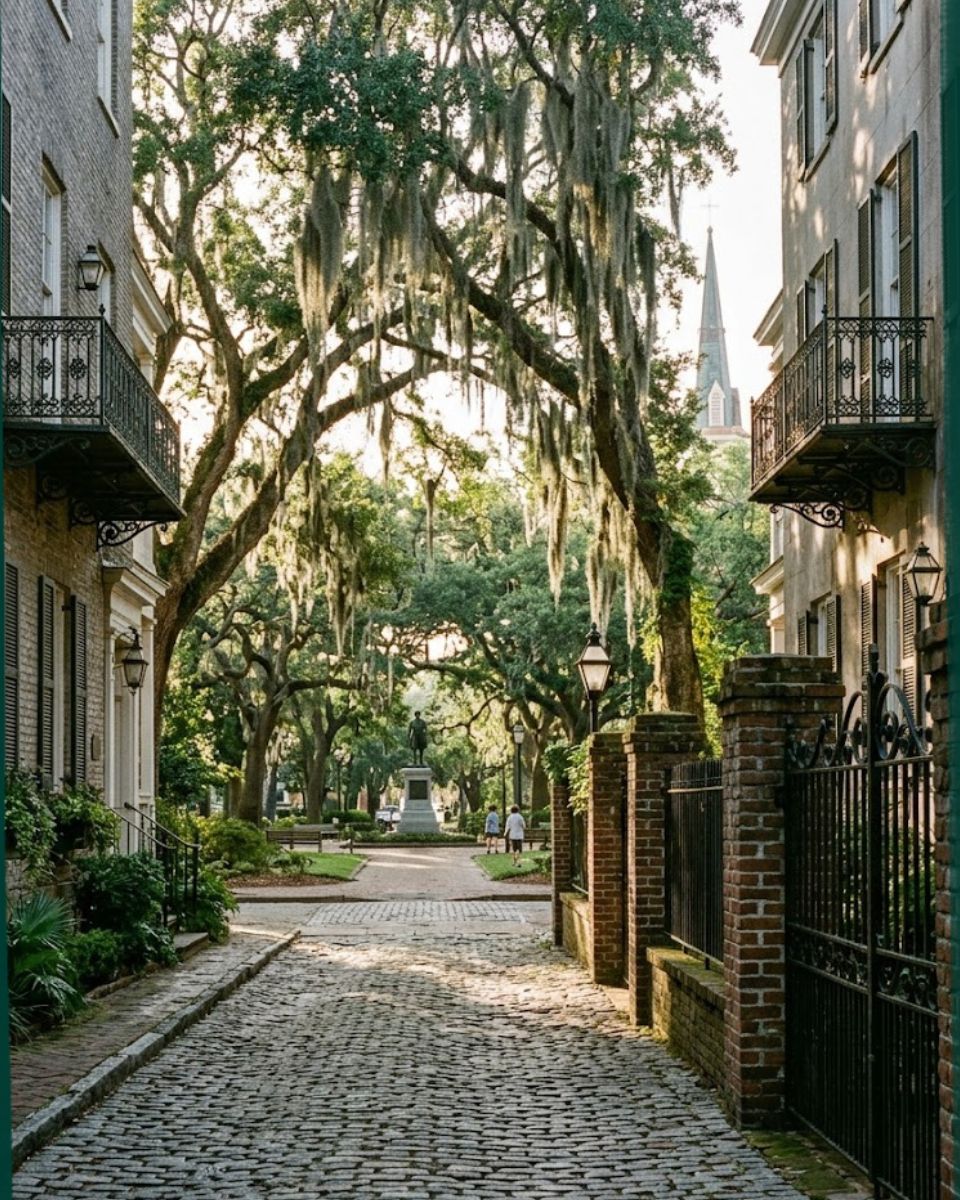
Adjacent service areas: Downtown, East Savannah, Victorian District, Cuyler-Brownsville rodent control.
Beach Institute rodent control, open 9AM-9PM seven days a week. Call for a same-day inspection and a free written quote.
π Call (912) 305-0115